UpdatedOct 22, 2025 7:27 PM EDT
We may earn revenue from the products available on this page and participate in affiliate programs.
Subscribe to Domino's Newsletter
Subscribe to Domino's Newsletter
By signing up, you confirm you are 16+, will receive newsletters and promotional content and agree to ourTerms of Useand acknowledge the data practices in ourPrivacy Policy. You may unsubscribe at any time.
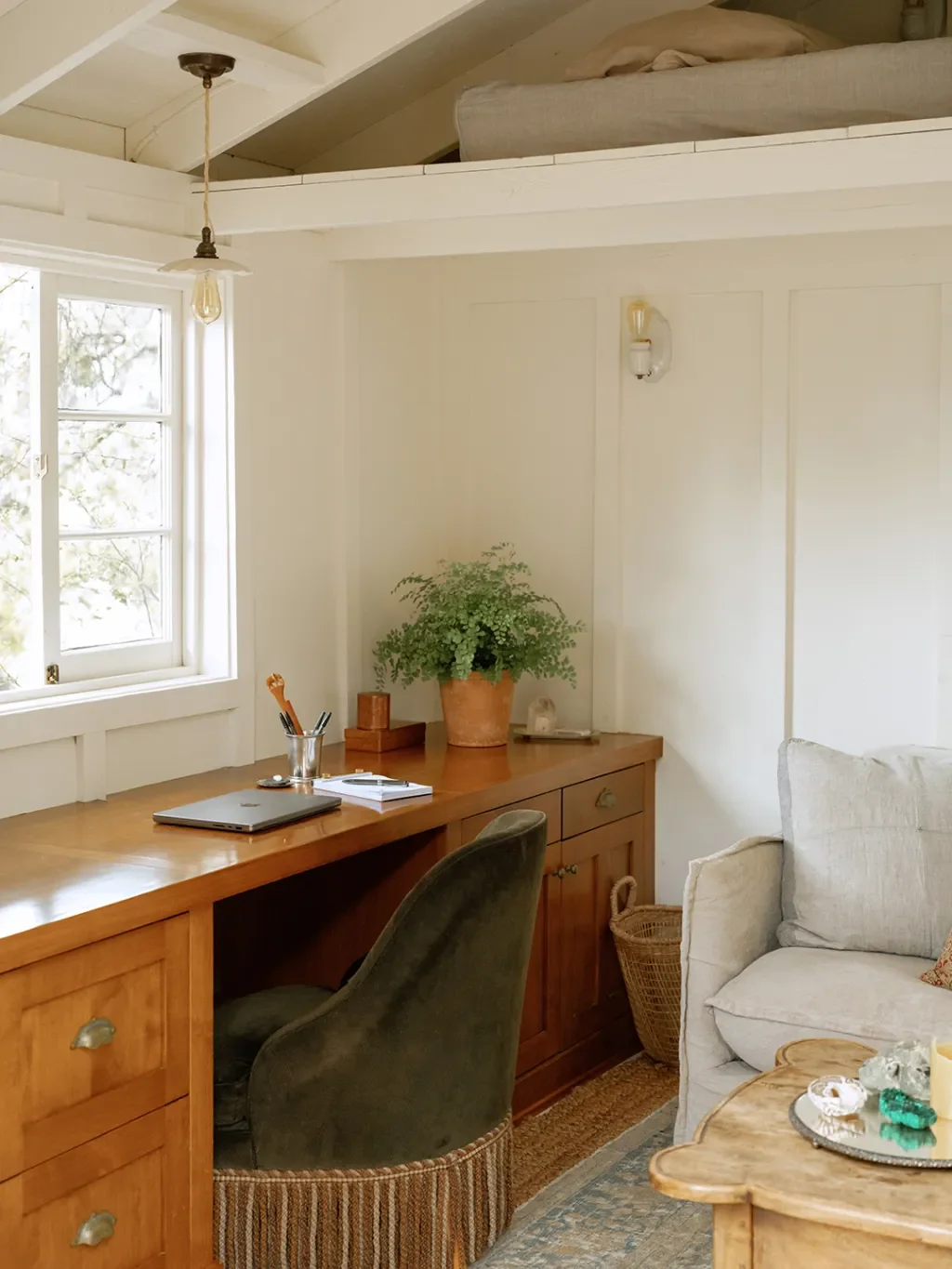
Setting upa home office means balancing focus with personal style. A palette that's too loud can derail concentration, while an overly stark scheme may drain motivation. We turned to productivity expert and Fellowes brand ambassadorLaura Stackfor guidance on crafting a workspace that's both efficient and visually pleasing. Read on for her best advice.
Key Considerations When Planning a Home Office
Begin by designing your workspace around how you actually work. The starting point is location—ask yourself how often you'll use the room and what type of tasks you'll be tackling. The footprint needs to match the hours you'll spend there and the kind of work on your plate.
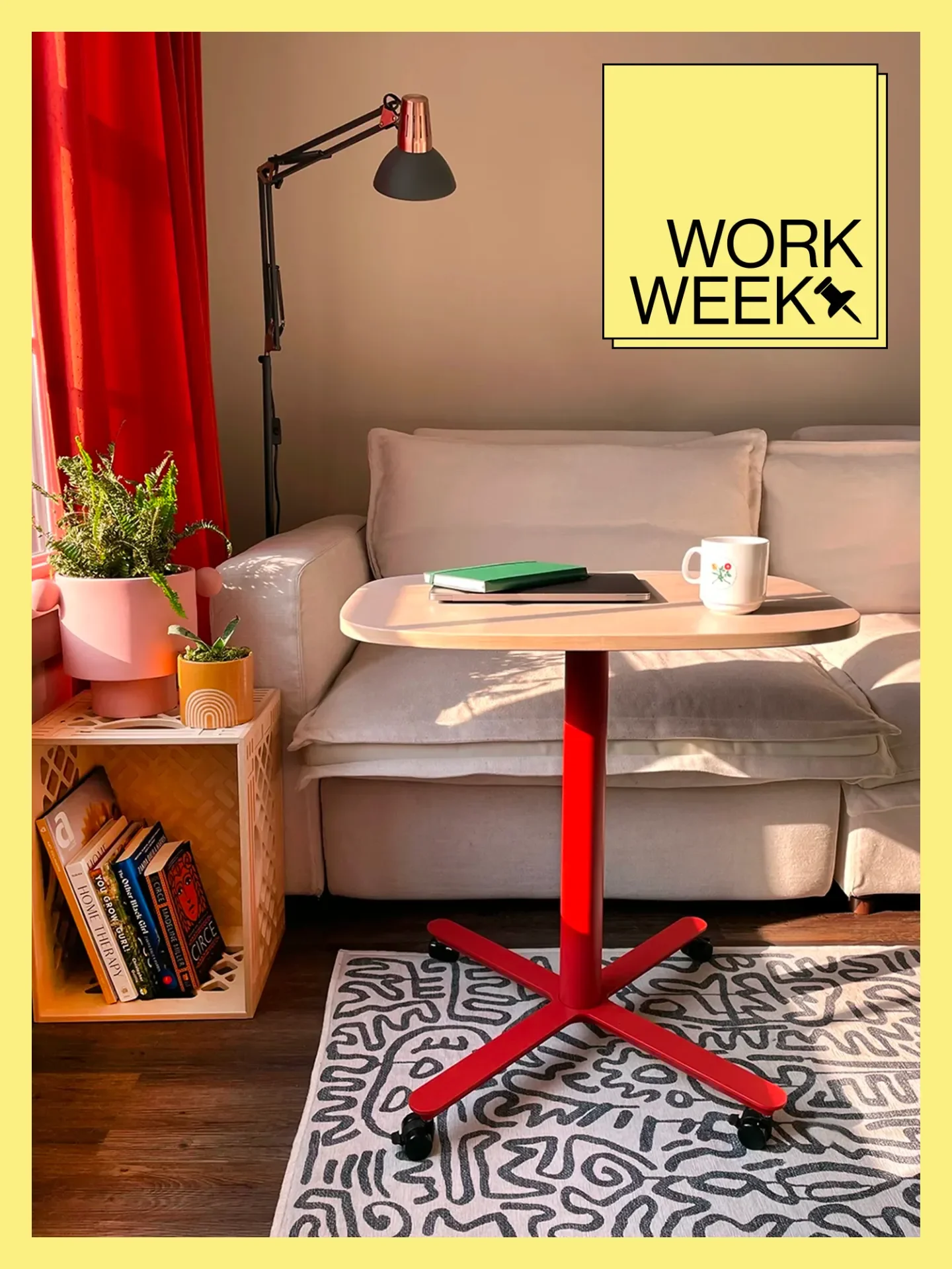
Which corner of your home lets you actually focus? Often that means a spot away from playful kids, a tempting bed, or heavy foot traffic. When extra square footage is hard to come by, creativity is your friend. I personally claimed my "formal" living room—no one ever sat in there anyway—so it was essentially wasted space.
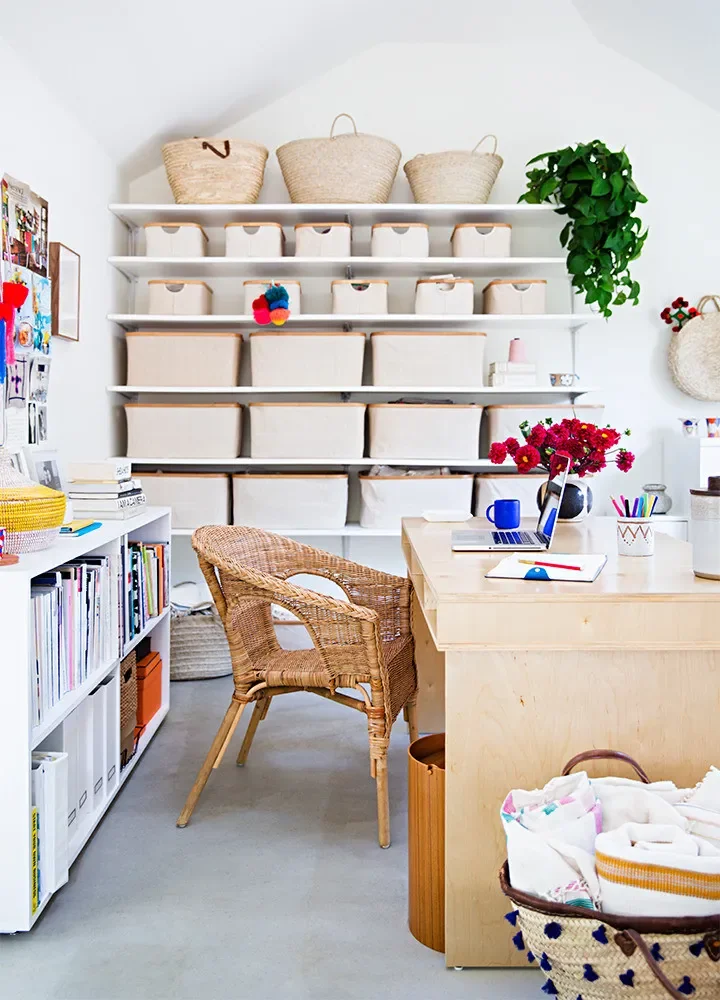
The Building Blocks of a Functional Workspace
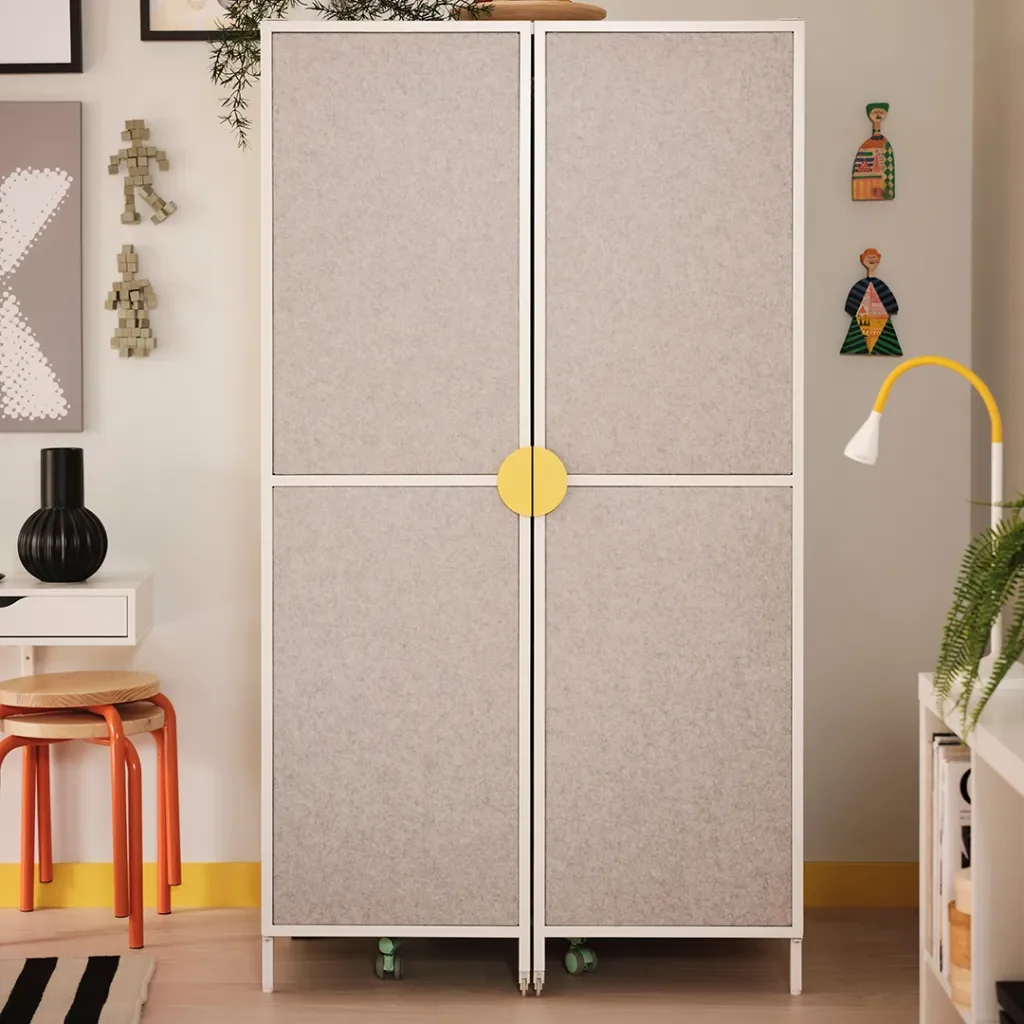
A reliable laptop or desktop is the foundation, and it's worth investing in dependable tech to avoid headaches later. From there, a supportive desk and an ergonomic chair are essential. Stackable storage makes the most of vertical real estate, while desktop caddies and organizers keep clutter at bay.
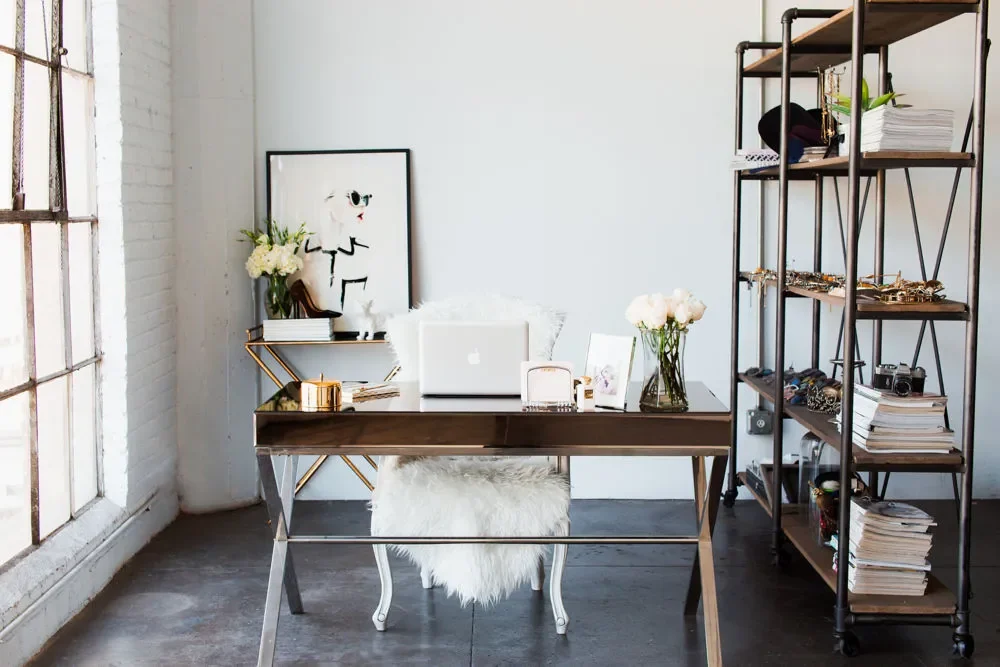
Three Essentials Every Home Office Needs
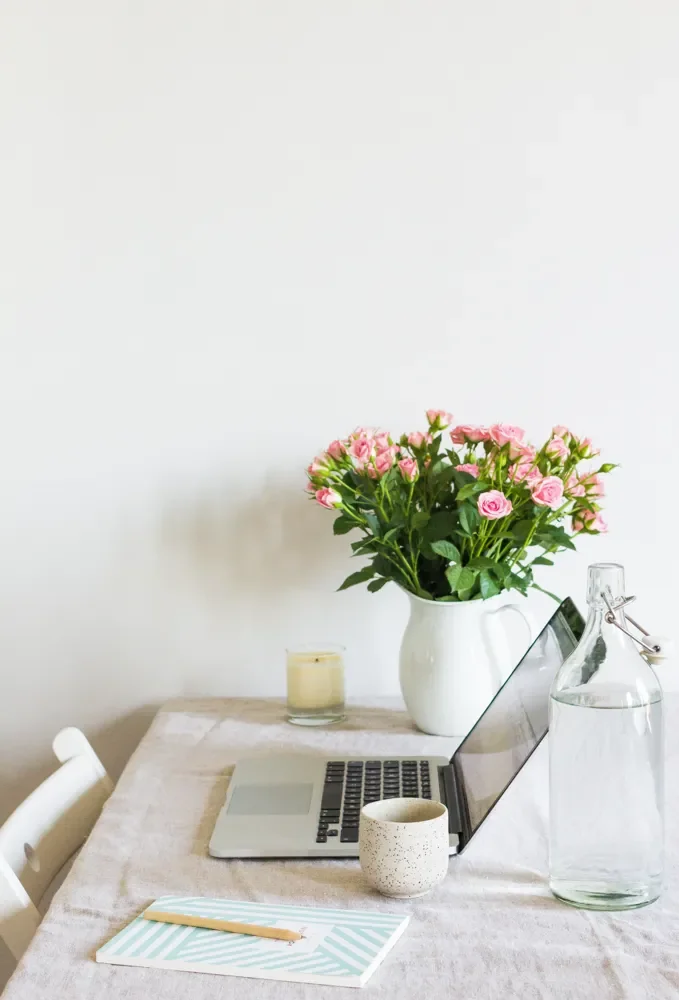
Every productive workspace comes down to solid technology, personal touches, and smart organization. Reliable equipment ensures you're ready to tackle whatever the day brings, while a few favorite objects—family photos, a thriving plant, a meaningful trinket—make the room feel like an extension of home rather than a sterile work zone.
Once the basics are in place, carve out distinct zones based on your daily workflow. Cluster supplies and reference files together, leave clearance for your computer, and reserve room to review documents. Keep the items you reach for most within arm's length. Thoughtful zoning is the secret to a desk that stays tidy and a day that flows smoothly.
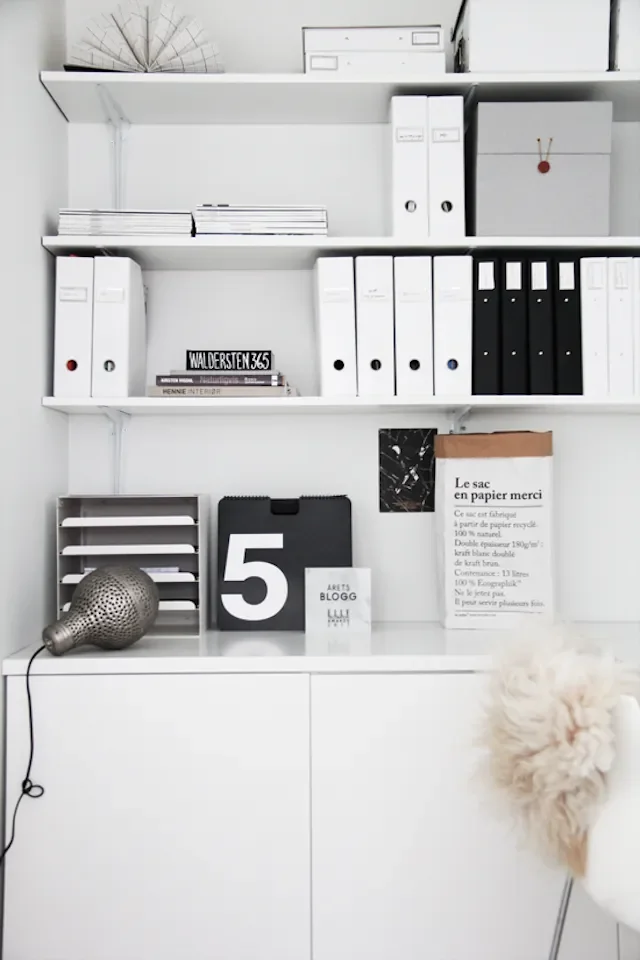
How to Spring-Clean a Home Office Efficiently
Pick the right moment. Productivity hinges on choosing a time when you can focus entirely on the task—attempting to sort through files while helping with homework or catching up on a favorite show won't get you far. Block off a window when you can commit fully. No multitasking allowed.
Then schedule a dedicated clutter attack. Most of us hold on to paper thinking we might need it later, yet chances are you'll never look at 99 percent of it again. Bills older than a year can go, while tax documents and receipts should be kept for seven years. Anything with sensitive information goes straight to the shredder.
Don't overlook your inbox. Paper piles up physically, but digital clutter takes a toll too. Sort through your files, delete what you no longer need, and build a folder structure with subfolders so everything is easy to locate. Adding shortcuts to the spots you visit most can save real time over the course of a week.
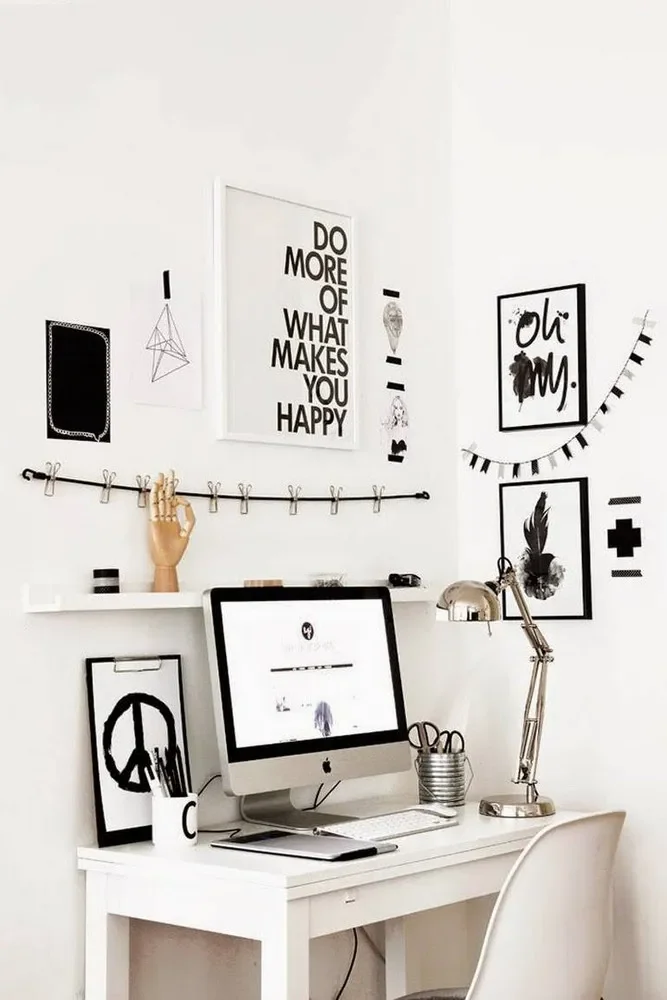
Decorating the Different Zones of an Office
Lean on color. Tossing papers into a single stack guarantees wasted minutes later. Instead, group files into categories and assign a hue to each—blue for budgets, red for expenses, and so on. A simple color-coded system dramatically cuts down the time spent hunting for what you need.
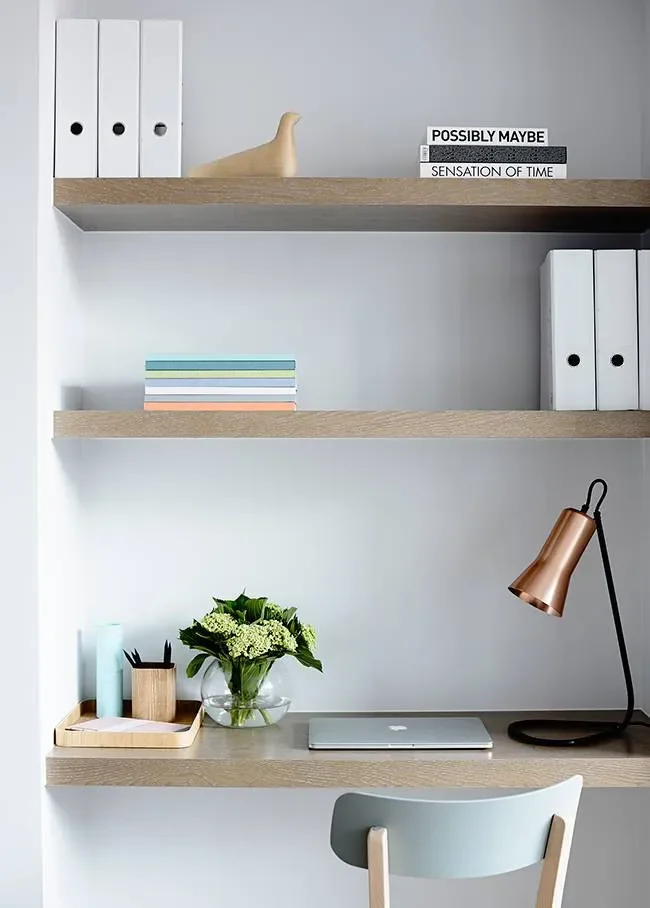
A reliable system is the backbone of any tidy workspace. A reorganization or remodel is the perfect moment to put one in place—something like my own "5-P" method keeps everything in its rightful spot.
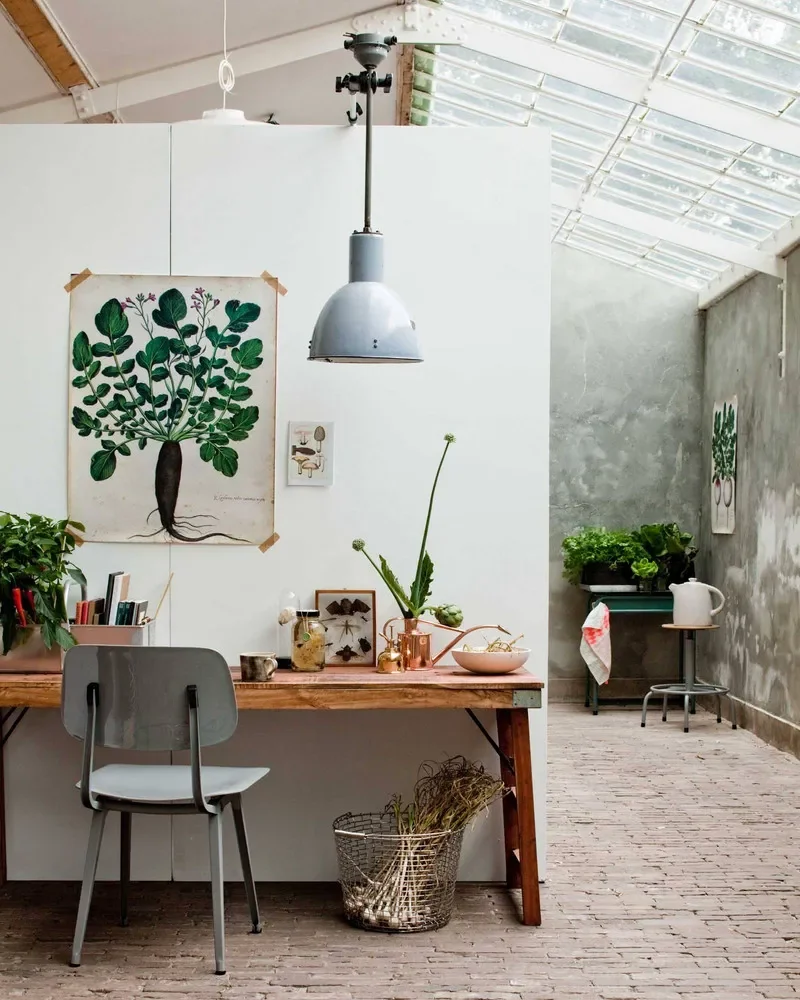
With your office set up for productivity, the work shifts to maintaining it. Spend a few minutes straightening up each morning and evening. Anchoring that tidy-up to the same times daily turns it into a habit, which helps you avoid marathon cleaning sessions on the weekend.
Another habit worth adopting: at the close of each day, take five minutes to jot down the next day's priorities and rank them. Waking up to a clear, ordered list means you hit the ground running already knowing which tasks deserve your attention first.
This article was first published April 15, 2016 and has since been updated with fresh information.
Explore more home office inspiration:
Refresh Your Home Office for Under $5007 Home Offices That Spark Serious Design Envy10 Clever Ways to Organize a Home Office in a Small Space

Anna Kocharian
Writer/Editor
Anna has a soft spot for travel, fresh flowers, and a good read. You can usually find her on the trail of the city's best burgers or waffles, always on the lookout for the next great bite.
Learn more about Domino.comEditorial Standards